
Indian Sardine (Luar)
₨0
This small oily fish is by far our healthiest product for you. Apart from all the super health benefits, sardine is slightly difficult to eat because of its strong fishy flavor and a lot of bones.
The size you get: 50 – 100 grams per fish
Note: All our prices and billings are based on the pre-cleaning/cutting weight of the seafood. The net weight at the time of delivery will be dependent on the type of cutting you choose.
Out of Season
Introduction
Indian Oil Sardine, locally known as Luar in pakistan, is globally recognized as one of the highest protein fish in the world, making it a true nutritional powerhouse. In Pakistani fishing culture, it carries deep traditional value, when mothers face low milk supply, they are often given Luar to eat, as it is believed to naturally support lactation and overall strength. Being a choki fish, Indian Oil Sardine contains more bones than larger species, but its bones are thin and delicate; when deep‑fried, they become crisp and edible, adding to the unique eating experience. With its rich taste, cultural significance, and exceptional protein content, Indian Oil Sardine (Luar) stands out as both a staple food and a trusted source of health across generations.
Flavor Profile
Indain Oil Sardine is slightly difficult to eat. The meat is tan white when cooked. It has a strong fishy odor and a lot of bones that will make some of you uncomfortable.
Nomenclature
English Name: Sardine, Indian Oil Sardine
Local Name: Luar, Lujar
Scientific Name: Sardinella longiceps
Habitat
Sardine is a sea fish that loves to live in Pelagic coastal waters.
Catching Method
Sardine is caught using gillnets, seines, and bag nets.
Physical Attributes
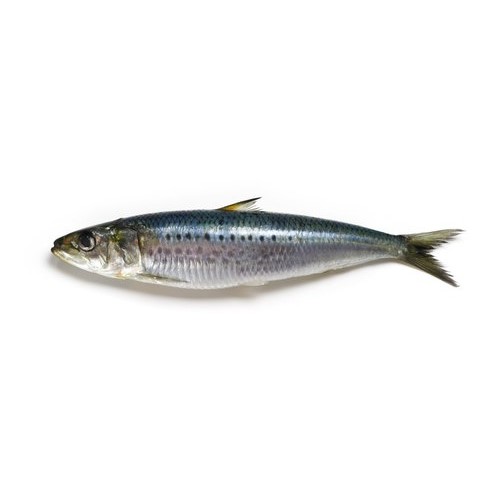
Sardine has Scales on the body. Sardine has a rounded belly with a low keel of scutes. The pelvic fin has one unbranched and 8 branched rays. The pre-dorsal scales are paired and overlapping.
Color
Indan Oil Sardine is bluish-green with silvery flanks.
Size
On average, the sardine size is 50 to 100 grams per fish. However, other sizes are also occasionally available.
Cutting Preferences
Sardine is preferred for whole and headless cutting. Sardine is not recommended for boneless or slice cutting.
Approx. Cutting Yields
Whole: 100 %
Gutted: 75 %
Headless and Gutted: 55 %
Slices: 55 %
Boneless: 35 %
Cooking Preferences
Indian Oil Sardine (Luar) is best enjoyed deep‑fried, where its naturally thin bones turn crisp and edible, allowing the whole fish to be eaten without waste. It is also widely prepared in spicy curries with tamarind and coconut milk, or simply grilled and baked to preserve its bold flavor and high protein value. Its strong taste pairs well with masala marinades, making it a staple in coastal kitchens. See more about Sardine fish fry Recipe.
Health Benefits
Indian Oil Sardine (Luar) is considered one of the highest protein fish worldwide, making it a powerful source of energy and muscle strength. Its omega‑3 fatty acids help reduce inflammation, lower cholesterol, and protect against cardiovascular disease. Sardines are also packed with vitamin B12 and vitamin D, which support red blood cell production, nerve health, and immunity. The presence of calcium and phosphorus strengthens bones and teeth, while iron and magnesium aid in oxygen transport and energy metabolism.
Regular consumption of sardines has been linked to better heart health, improved cognitive function, and reduced risk of diabetes. Their nutrient profile makes them a trusted seafood choice across cultures, valued for both affordability and health benefits. For more details, see Sardines: Health Benefits & Nutrition.
FAQs – Indian Oil Sardine (Luar)
❓ What is Indian Oil Sardine (Luar)?
✅ Indian Oil Sardine, locally called Luar in Pakistan, is a small oily fish known for its bold flavor and exceptionally high protein content.
❓ What are the health benefits of Indian Oil Sardine?
✅ It is rich in protein, omega‑3 fatty acids, vitamin B12, calcium, and iron, supporting heart health, brain function, bone strength, and immunity.
❓ Is Indian Oil Sardine culturally significant in Pakistan?
✅ Yes, in coastal fishing culture, Luar is traditionally given to mothers facing low milk supply, as it is believed to naturally support lactation and recovery.
❓ Does Indian Oil Sardine have many bones?
✅ Being a choki fish, it contains more bones, but they are thin and delicate. When deep‑fried, the bones turn crisp and edible.
❓ How is Indian Oil Sardine usually cooked?
✅ It is commonly deep‑fried, prepared in spicy curries with tamarind and coconut milk, or grilled and baked to preserve its strong flavor.
❓ Does Dfresh Seafood deliver Indian Oil Sardine nationwide?
✅ Yes, Dfresh Seafood delivers fresh Indian Oil Sardine (Luar) in Karachi, Lahore, Islamabad, and across Pakistan.
| Weight | 1 kg |
|---|---|
| cutting |
Whole ( uncleaned ) ,Whole ( gutted ) ,Whole but head removed |
Related products
Black Barracuda (Kala Kund)
Emperor (Mulla)
Goldsilk Bream (Kala Dandia)
Halibut (Hajjam)
Hamour (Ghissar)
Indian Salmon (Rawans)
King Fish (Surmai)
 Freshwater Fish
 Lobsters
 Sea Fish
 Crabs
Crabs Ready to Cook
 Prawns
Reviews
There are no reviews yet.